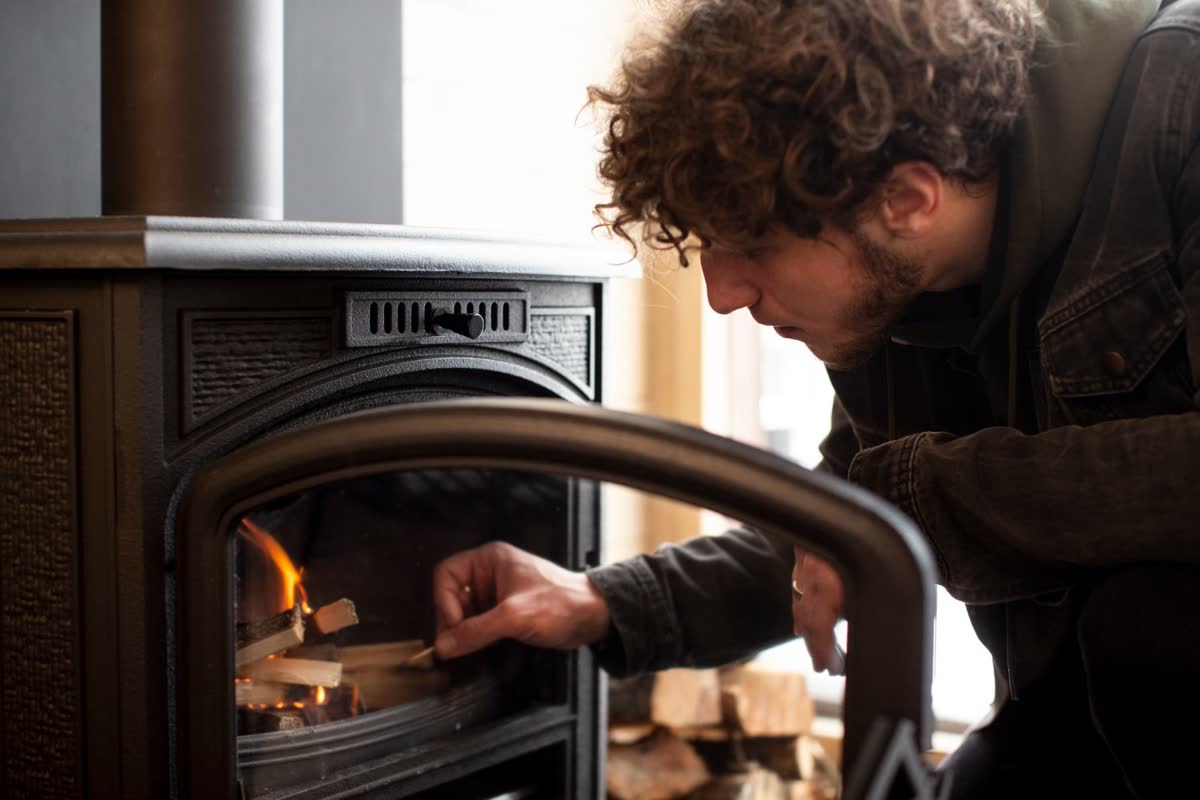
A furnace that isn’t working properly can quickly turn your warm home into a chilly space. Whether it’s strange noises, no heat, or a weird smell, many signs indicate something’s amiss with your furnace. Recognizing these early signs can help you figure out if it’s something you can fix yourself or if it’s time to call in a professional.
Identifying Common Furnace Issues
Furnaces can sometimes run into problems that affect their performance. Understanding these issues helps identify the right fixes without delay. One common problem is when the furnace produces no heat. This could be due to a malfunctioning thermostat, an unlit pilot light, or a tripped circuit breaker affecting the system’s power supply.
Strange noises like banging or rattling are another sign of trouble. These sounds often indicate loose components or issues with the blower motor. Squealing noises suggest a belt problem or lack of lubrication. Each sound can point to a specific issue that needs attention.
Another typical problem is frequent cycling. This means the furnace turns on and off more often than it should, which can be caused by a clogged filter or an improperly set thermostat. Besides causing discomfort, this can lead to higher energy bills.
If you notice uneven heating in different rooms or sudden spikes in your energy bill, these issues might be tied to airflow restrictions or ductwork problems. Identifying these signs early can save you from costly repairs and ensure your home stays warm during winter.
Easy Fixes for Quick Solutions
Once you spot a furnace problem, some easy fixes might solve the issue without requiring professional help. Start with troubleshooting steps for common problems. Begin by checking the thermostat settings. Ensure the thermostat is set to “heat” and the temperature is higher than your room’s current temperature. Sometimes, resetting the thermostat can resolve minor glitches.
Next, ensure your furnace is receiving power. Check the circuit breaker box to see if the furnace breaker has tripped. If so, simply flipping the switch back on might solve the problem. This is a quick and easy solution if a power surge or overload has tripped the circuit.
Airflow problems are often caused by dirty filters. Replacing an old filter with a new one can significantly improve furnace efficiency. Filters should be checked every month and replaced every 1-3 months, depending on use and system requirements. This simple maintenance step improves airflow and keeps your furnace running smoothly.
If you encounter hot and cold spots, ensure all air vents are open and clear from obstructions like furniture. Closing vents can create pressure imbalances and affect heating efficiency.
When to Call a Professional
There are times when furnace problems demand professional attention. Recognizing serious issues early can prevent dangerous situations and costly repairs. If you notice your furnace isn’t producing heat despite trying simple fixes, it could be a sign of deeper mechanical problems like a failing motor or gas valve issue.
Unusual odors, especially a burning smell or gas odor, indicate that something might be seriously wrong. These smells could mean a problem with the electrical components or even a gas leak. In such cases, you should immediately turn off the system and contact a professional.
If your furnace frequently cycles on and off without heating your home properly, you might face thermostat malfunctions or electrical problems requiring a technician. Continual cycling can lead to more wear and result in higher energy bills.
Safety is another crucial factor. Issues like faulty wiring or gas leaks require expertise to avoid risks like carbon monoxide exposure or fires. When dealing with complex mechanical systems, relying on a trained professional ensures effective repair and safety for your home and family.
Preventive Measures for a Healthy Furnace
Regular maintenance can keep your furnace in prime condition and prevent unexpected breakdowns. Start with routine checks that you can do yourself. Replace or clean air filters to maintain proper airflow and system efficiency. This simple task aids in preventing clogs and overheating.
Seasonal maintenance is vital. Before winter kicks in, check your furnace for any signs of wear or damage. Look for issues like loose electrical connections and tighten them as needed. Inspect the blower belt for cracks and replace it if necessary. Also, ensure that vents and ducts are clear from obstructions to promote efficient airflow.
Scheduling a professional service at least once a year extends the lifespan of your furnace. A technician can perform a thorough inspection, clean key components, and adjust settings for optimal performance. Regular servicing reduces the risk of untimely failures and helps your furnace run more smoothly and efficiently throughout its intended lifespan.
Conclusion
If you are unsure about any aspect of your furnace’s performance, it’s always wise to seek expert advice. Regular checks, timely repairs, and professional services are key to a healthy, long-lasting furnace. With proper care, you can enjoy consistent warmth and comfort in your home, no matter how cold it gets outside.
Take control of your home’s heating system and ensure peace of mind for your family. Contact us at Rodger That Heating & Cooling today for professional furnace maintenance and expertise. Our experienced team of HVAC specialists is ready to help you keep your home safe, comfortable, and energy-efficient all year round.