
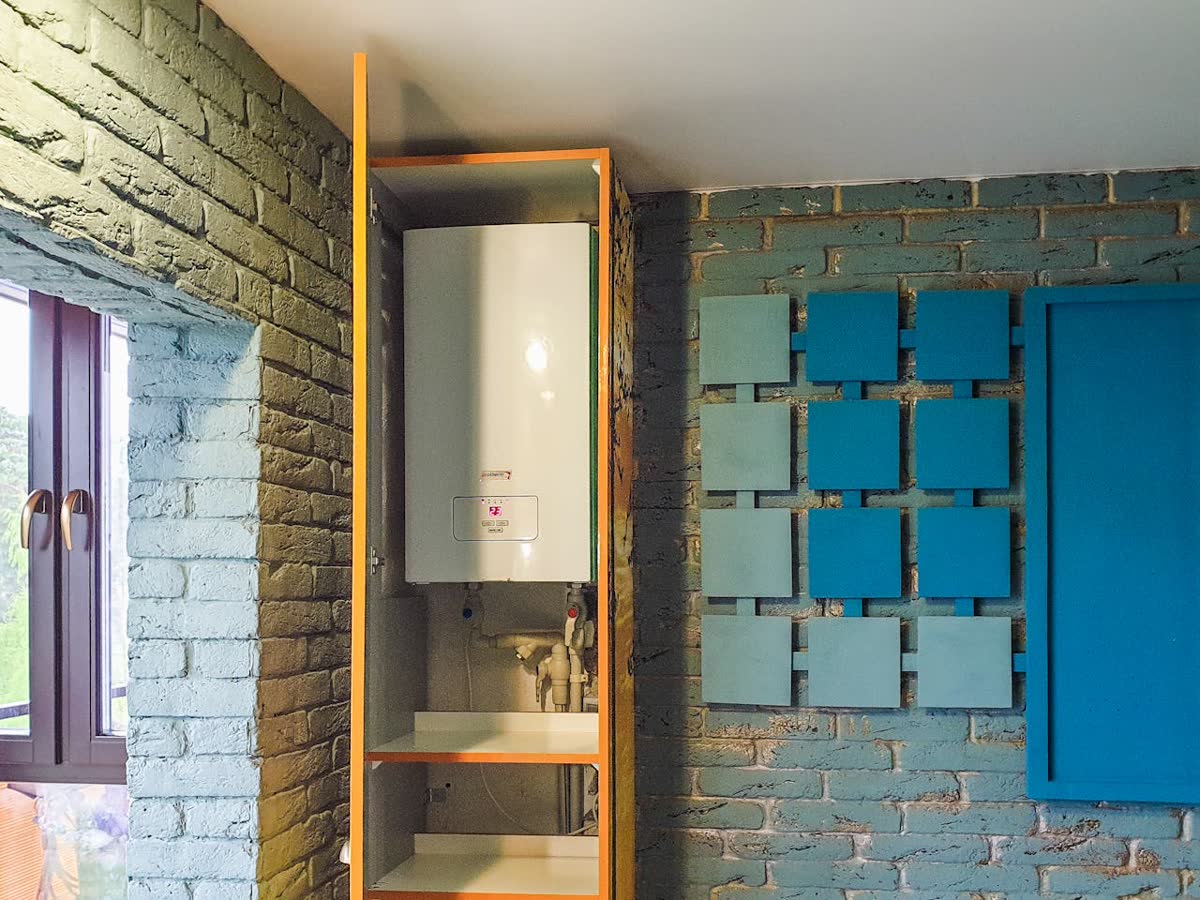
Finding the right hot water system for your home is crucial for comfort and efficiency. Whether you’re replacing an old system or installing a new one, understanding the differences between tankless and traditional hot water systems can help you make an informed choice. Each type has unique features that cater to different needs and preferences based on how your household uses hot water.
Tankless systems provide hot water on-demand, without storing it in a tank, using either electric elements or gas burners. This makes them efficient and ideal for homes that prioritize energy savings. On the other hand, traditional tank systems store hot water in bulk, ensuring a ready supply whenever you need it, which can be useful for larger households with consistently high water demand.
Knowing how these systems work will help you weigh the benefits and drawbacks of each. Equipping yourself with this knowledge ultimately aids in selecting the right hot water system that fits your lifestyle and budget.
Understanding How Hot Water Systems Work
Hot water systems are essential in homes, providing hot water for showers, dishes, and laundry. These systems come in two main types: tankless and traditional. Each operates differently and offers various benefits.
Tankless hot water systems, also known as on-demand systems, heat water instantly as it flows through the unit. This means you only use energy to heat water as needed, which can lead to energy savings. The compact design of tankless systems makes them an ideal choice for homes with limited space. They do not store hot water like traditional tanks, so they provide a continuous supply as long as the system can keep up with demand.
On the other hand, traditional tank systems store a large amount of water heated in advance. This water sits in a storage tank, ready for use at any time. These systems operate by maintaining the water at a consistent temperature and reheating it when necessary. However, they can run out of hot water if the tank’s capacity is exceeded, requiring time to heat a new batch.
The key difference between these systems lies in their functionality and efficiency. While tankless systems offer limitless hot water and potential energy savings, traditional tanks provide a steady supply but may waste energy by constantly keeping a reservoir warm. Understanding how each system works helps choose the right one for your household.
Key Benefits and Drawbacks
Deciding between tankless and traditional hot water systems requires understanding the pros and cons of each. Knowing these can help you weigh your options effectively.
Pros of Tankless Systems:
– Energy-efficient as it heats water on demand
– Unlimited hot water supply
– Space-saving design
– Longer lifespan compared to traditional tanks
Cons of Tankless Systems:
– Higher initial cost
– May require upgrades to existing plumbing/electrical systems
– Delayed hot water delivery if the system is far from the tap
Pros of Traditional Systems:
– Generally cheaper upfront cost
– Simpler installation process
– Familiar technology for most homeowners
Cons of Traditional Systems:
– Limited supply; can run out of hot water
– Higher energy bills due to standby heat loss
– Bulkier, requiring more space for the tank
In terms of energy efficiency and performance, tankless systems often outperform traditional tanks due to their on-demand heating and reduced energy use. However, traditional tanks remain popular for their lower upfront costs and ease of integration into existing homes. Balancing these benefits and drawbacks will help you make the best decision for your needs.
Cost Considerations
Understanding the cost implications when choosing between tankless and traditional hot water systems can help you make the most economical choice for your home.
Initially, tankless systems often come with a higher price tag. The cost of purchasing and installing a tankless unit can be more significant than that of a traditional tank system. This is due to the need for specialized installation, which might include upgrading your home’s electrical or gas lines to accommodate the new system’s high power demand.
However, tankless systems offer long-term savings. Because they heat water only when needed, energy consumption is significantly lower, reducing utility bills. Additionally, since tankless systems can last up to 20 years compared to 10-15 years for traditional tanks, you might save money on replacements over the long haul.
Traditional systems, while cheaper to install, often incur higher ongoing costs. The need to keep a large volume of water heated around the clock leads to greater energy consumption and higher monthly expenses. Maintenance, which varies by system type, also affects costs. Tank systems may require more frequent checks and repairs, especially if sediment buildup occurs.
Balancing the initial investment with anticipated savings over the system’s lifespan can help homeowners make a financially sound choice.
Choosing the Right System for Your Home
Selecting the best hot water system for your home involves several factors that depend on your personal needs and circumstances. By assessing these elements, you can find a system that serves your household effectively.
Start by evaluating your hot water usage patterns. Consider how many people live in your home and how often you use hot water. Tankless systems suit larger families or situations where hot water demand is high but staggered. Traditional tank systems might better serve smaller households or those with continuous, moderate water needs.
Environmental factors, such as available space and placement, also impact your decision. Tankless units require less space and can be mounted on walls, while traditional tanks need a dedicated space with room for the tank. Access to gas or appropriate electrical connections is another consideration that may affect your choice.
Your habits also play a role. If your household has high demand during peak times, a tankless system might struggle unless it’s correctly sized. In contrast, a traditional tank can meet such demands but might incur higher energy costs.
Choosing wisely requires balancing these various factors to ensure that your selected system aligns with your lifestyle, energy goals, and space limitations.
Conclusion
Deciding on a hot water system involves weighing the costs, benefits, and drawbacks of each type. Both tankless and traditional systems have their place in different homes, and your ultimate choice depends on specific needs, preferences, and home conditions. Understanding each system’s workings, costs, and benefits empowers you to make an informed decision that best meets your household’s needs.
For those considering an upgrade or requiring expert advice on the best system for their home, contact our dedicated HVAC specialists at Rodger That Heating & Cooling can help provide the guidance you need. Our experienced professionals are ready to assist you in choosing and installing the right hot water system for your lifestyle and budget. Experience top service with Rodger That and ensure your home’s hot water needs are met.