Is your heater blowing cold air instead of warm? This is a common issue many experience, especially during the colder months. It can be quite frustrating when you’re expecting warmth and instead get a chilly surprise. This problem can stem from a variety of sources. Whether it’s an issue with your thermostat settings, a pilot light that isn’t lit, or a clogged air filter, these are things that can be fixed or checked at home.
Understanding why this happens is the first step to solving it. Sometimes, the solution is straightforward, like changing a setting or replacing a thermostat battery. Other times, it might need more work, like addressing ignition issues. With a bit of knowledge and effort, you can often get your heater back to blowing warm air quickly and efficiently. Let’s explore some of these issues and how you might fix them before winter really sets in.
Common Reasons Your Heater Blows Cold Air
When your heater starts blowing cold air, it can be frustrating. There are several reasons why this might happen, and knowing these can help you troubleshoot the problem effectively.
– Thermostat Settings: Sometimes the simplest answer is the correct one. Check if the thermostat is set to “on” instead of “auto.” When set to “on,” the fan will blow continuously, even when the heater isn’t actively heating, causing cold air to circulate. Always ensure it’s set to “auto” so the fan can operate only during a heating cycle.
Pilot Light Issues: Gas furnaces need the pilot light to be lit for them to heat properly. If the pilot light goes out, which can happen for various reasons, like a strong draft or a dirty sensor, the heater will blow cold air. Ensure the pilot light is lit and burning steady.
Clogged Air Filters: A clogged air filter restricts airflow and can make your furnace work harder than needed. As a safety measure, it may overheat and shut down, blowing cold air instead. Regularly changing or cleaning your filter is crucial for optimal performance.
These issues often cause a heater to underperform or produce cold air. By identifying the root cause, you can determine whether a simple fix or professional assistance is needed.
Troubleshooting Thermostat Problems
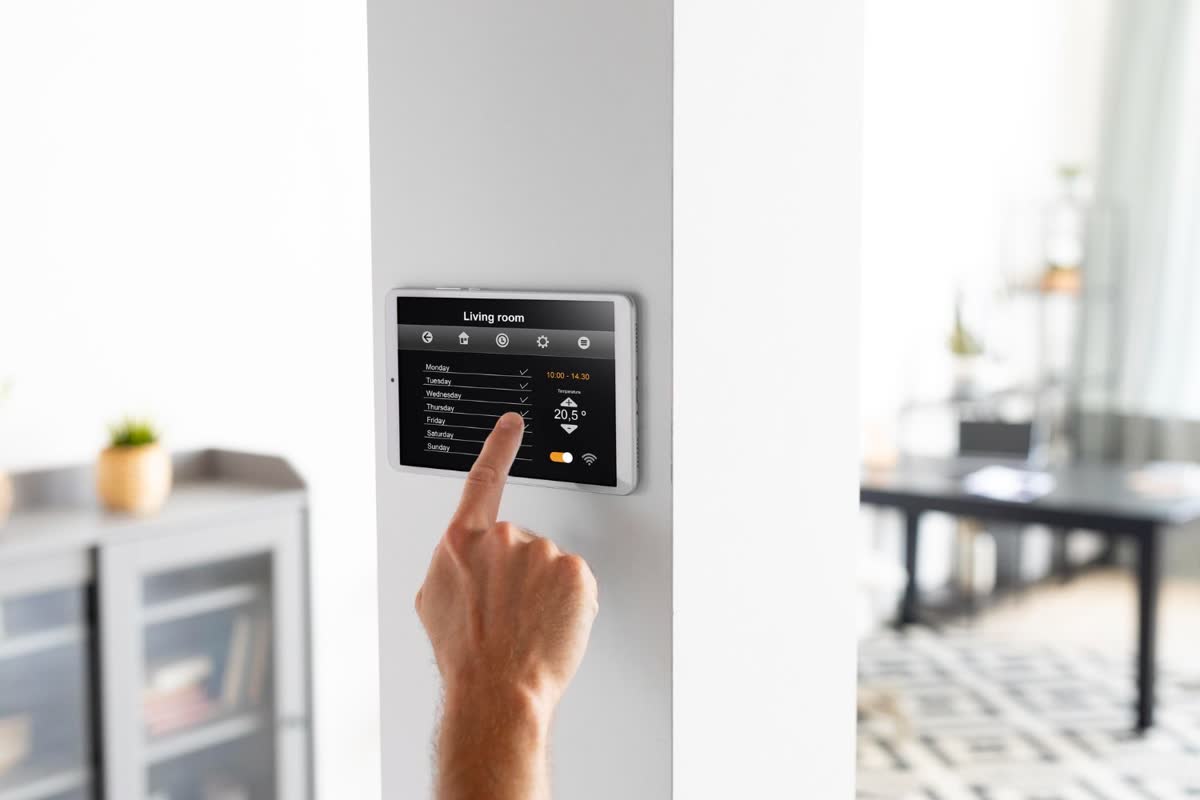
Thermostats control how and when your heater operates. If your heater is blowing cold air, the thermostat might be to blame, and troubleshooting it can solve many issues.
1. Check and Adjust Settings: Ensure the thermostat is set to your desired temperature. Sometimes, accidental adjustments happen. Make sure it’s set to “heat” and not “cool” or “fan.”
2. Replace Batteries in Digital Thermostats: If you have a digital thermostat, weak or dead batteries can cause it to lose settings or malfunction. Replace the batteries and check if this resolves the issue. It’s a good idea to change the batteries annually.
3. Importance of Proper Thermostat Placement: Believe it or not, the placement of your thermostat affects how well it functions. It may give incorrect readings if it’s located in a spot that receives direct sunlight or is near drafts. Consider relocating your thermostat to a central area away from such influences for more accurate temperature control.
By addressing these simple thermostat checks, you might quickly fix your heater’s cold air issue without needing help. This keeps your home cozy and avoids unnecessary problems during cold weather.
Inspecting and Addressing Pilot Light and Ignition Issues
When your heater is blowing cold air, it might be time to investigate the pilot light or ignition system, especially in gas furnaces. These components are critical for heating, and problems here can leave your home feeling chilly.
– How to Safely Check the Pilot Light: To check the pilot light, start by turning off the furnace. Wait a few minutes for any gas to clear. Then, locate the pilot light assembly and see if the light is on. It should be a small, steady blue flame. If it’s out, that might be why your heater isn’t working.
– Steps to Relight a Pilot Light: Most furnaces have instructions for relighting on a nearby panel. Generally, you’ll turn the gas valve to the “off” position and wait five minutes. Then switch it to “pilot” and press the reset button while holding a lit match near the pilot opening. Once it lights, press the button for about 30 seconds before turning the valve to “on.”
– Understanding Electronic Ignition Systems: Many modern furnaces use electronic ignition instead of a traditional pilot light. These systems can fail due to faulty sensors or burners. If you suspect an ignition issue, it might be best to consult a professional. Cleaning sensors or maintaining burners can be tricky and requires care.
Proper attention to your furnace’s pilot light or ignition system ensures it heats your home efficiently. Addressing these issues promptly can prevent further disruption in your heating.
Maintenance Tips to Prevent Cold Air Blowing From Your Heater
Routine maintenance is key to ensuring your heater works efficiently and doesn’t start blowing cold air. By keeping up with simple maintenance tasks, you can save money and avoid future headaches.
1. Regular Cleaning and Replacing Air Filters: Clogged filters are a common cause of cold air. Clean or replace filters every few months or per the manufacturer’s instructions. This keeps airflow optimal and reduces wear on the heater.
2. Scheduling Routine Professional Maintenance: While DIY maintenance is helpful, professional inspections catch things you might miss. Aim to have a professional check your system at least once a year to ensure it runs smoothly and spot any potential problems early on.
3. Simple DIY Checks and Maintenance You Can Do at Home: Besides changing filters, keep vents and registers open and unblocked by furniture or drapes. Also, regularly check that the area around your furnace is clear of dust and debris.
By following these maintenance tips, your heater will run more effectively, providing consistent warmth all season long. Regular care extends the life of your heating system, giving you peace of mind during the colder months.
Stay Warm and Worry-Free
Keeping your home heated comfortably doesn’t have to be a chore. Understanding the causes of your heater blowing cold air and addressing them promptly can go a long way in ensuring a cozy winter. Troubleshooting thermostat issues, monitoring the pilot light or ignition system, and continuing regular maintenance routines are vital steps.
When your heater stops working as it should, don’t panic. With some knowledge and attention, many problems can be solved quickly. Of course, some issues might require professional attention, especially when dealing with complex systems or persistent problems. Seeking help sooner rather than later can prevent further complications and keep everything running smoothly.
If you ever find yourself in over your head or want expertise and peace of mind, let Rodger That Heating & Cooling lend a hand. Whether it’s a simple fix or a detailed inspection, we’re here to help keep your home comfortable and your heating in tip-top shape. Contact us today for reliable and efficient HVAC repair services tailored to your heating needs.