
Keeping your home warm and comfortable during the colder months can be challenging. Proper insulation is crucial in maintaining a consistent indoor temperature and boosting heating efficiency. Without adequate insulation, your home could lose valuable heat, leading to higher energy bills and an uncomfortable living space.
By insulating your home correctly, you’ll enjoy a cozier living environment and reduce energy costs, making your home more pleasant, no matter the season.
Understanding the Importance of Proper Home Insulation
Proper home insulation is vital to maintaining heating efficiency and comfort. Insulation acts as a barrier, slowing the heat flow from your heated rooms to unheated areas, like the attic, basement, or outside. This helps keep warmth inside during the cold months and keeps the cool air in during the summer. When your home is well-insulated, your heating system doesn’t have to work as hard, translating to lower energy bills and a more comfortable living environment.
There are several signs that your home may need better insulation. One common sign is uneven temperatures between rooms. If some rooms are significantly colder or warmer than others, your insulation might not perform as it should. Another sign is high energy bills. Poor insulation makes your heating system run more frequently, causing a spike in your energy costs.
Drafts are another clear sign of insufficient insulation. If you feel cold air coming through windows or doors, even when closed, your home likely has gaps in its insulation barrier. Lastly, check your walls, floors, and ceilings; if they feel cold to the touch during winter, it suggests a lack of adequate insulation.
Types of Insulation Materials and Their Benefits
Different insulation materials exist, each with benefits and drawbacks. Understanding these options can help you choose the best one for your home.
Fiberglass Insulation
Fiberglass is one of the most common insulation materials. It consists of fine glass fibers and is often used in batts, rolls, and loose-fill. Fibreglass is relatively inexpensive and easy to install. It is also fire-resistant and doesn’t settle over time, maintaining its effectiveness.
Pros:
– Affordable
– Fire-resistant
– Easy to install
Cons:
– Itchy and irritating to handle without proper gear
– Loses effectiveness when wet
Foam Insulation
Foam insulation comes in two main types: spray foam and rigid foam. Spray foam expands upon application, filling gaps and sticking to surfaces. It provides excellent insulation and air sealing. Rigid foam boards are used to insulate walls, roofs, and foundations.
Pros:
– High R-value (insulating power)
– Excellent air barrier
– Moisture-resistant
Cons:
– More expensive
– Requires professional installation
Cellulose Insulation
Cellulose insulation is made from recycled paper products and is often used as loose fill in attics and walls. It is treated with fire retardants for safety and provides good thermal performance.
Pros:
– Eco-friendly
– Effective at filling cavities
– Fire-retardant treated
Cons:
– Can settle over time, reducing effectiveness
– Can absorb moisture
Choosing the right type of insulation depends on factors like your budget, the area you need to insulate, and specific needs like moisture resistance or ease of installation. Understanding these options helps you make an informed choice for your home’s insulation.
DIY Insulation Tips for Different Areas of Your Home
Improving insulation in your home can make a big difference in heating efficiency. Tackling some insulation projects yourself can save money while keeping your home warm. Here’s a step-by-step guide for insulating various areas.
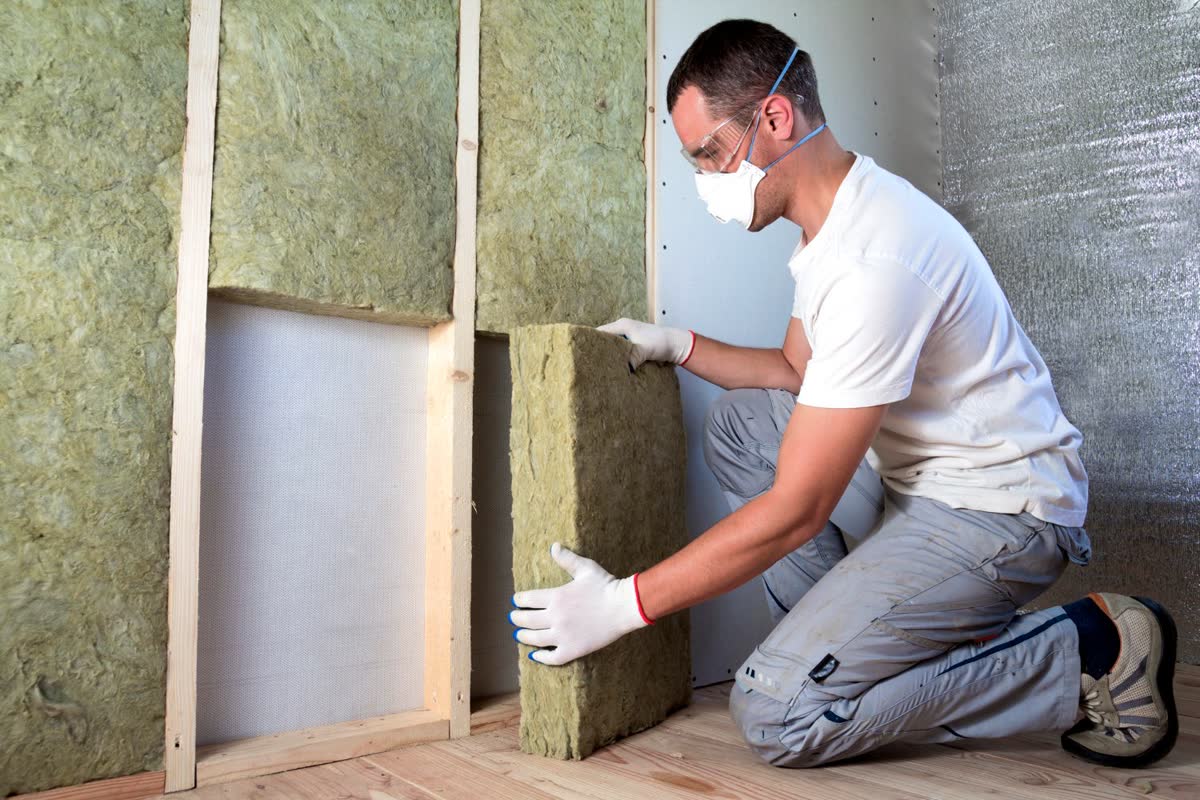
Attics: Start by laying fiberglass batts or rolls between the attic joists. Make sure the insulation covers any gaps but doesn’t block ventilation openings. Use a utility knife to cut the insulation to fit snugly around obstructions like vents or chimneys.
Walls: Blown-in cellulose is an excellent choice for wall insulation. You’ll need a blower machine, which can often be rented. Drill small holes between wall studs, insert the blower nozzle, and fill the cavity evenly. Once done, patch the holes with a sealant or drywall compound.
Basements: Use rigid foam boards for basement walls. Measure and cut the boards to fit the wall height, then attach them using construction adhesive. Seal seams with tape designed for foam boards to prevent air leaks.
Tools and Materials Needed:
– Utility knife
– Measuring tape
– Insulation material (fiberglass batts, cellulose, foam boards)
– Blower machine (for blown-in insulation)
– Construction adhesive
– Sealant or drywall compound
– Safety gear (gloves, goggles, mask)
Following these steps can significantly boost your home’s insulation, making it warmer and more energy-efficient.
Professional Insulation Services: When to Call for Help
While DIY insulation can be rewarding, some situations require professional expertise. Hiring professionals ensures proper installation and maximizes the benefits of insulation materials.
Benefits of Hiring Professionals:
– Expertise: Professionals have the training and experience to handle various insulation materials and installation techniques. They can identify the best solutions for your home.
– Efficiency: Professionals work quickly and efficiently, often completing the job faster and with better results than a DIY approach.
– Safety: Insulation work can be hazardous, especially in hard-to-reach areas. Professionals have the right equipment and safety protocols to handle the job safely.
When choosing an insulation service, consider the following:
– Reputation: Look for reviews and testimonials from previous customers. A company with positive feedback is likely to provide quality service.
– Experience: Choose a service with a proven track record. Experienced professionals are better equipped to handle diverse insulation needs.
– Certification: Ensure the company has the necessary certifications and follows industry standards for insulation installation.
Knowing when to call for professional help ensures your insulation project is done right, providing optimal comfort and energy savings.
Conclusion
Effective insulation plays a crucial role in maintaining a warm and energy-efficient home. Whether you’re tackling a DIY project or hiring professionals, understanding the best practices for insulation can make a significant difference. Each step contributes to a more comfortable living environment by identifying areas that need better insulation and choosing suitable materials and methods.
At Rodger That Heating & Cooling, we have extensive experience helping homeowners improve their home’s heating efficiency. Proper insulation not only keeps your home warm but also reduces energy costs and extends the lifespan of your heating system.
Ready to enhance your home’s insulation? Contact Rodger That Heating & Cooling to explore our professional insulation services and discover how our HVAC experts can help you achieve a warmer, more energy-efficient home.