
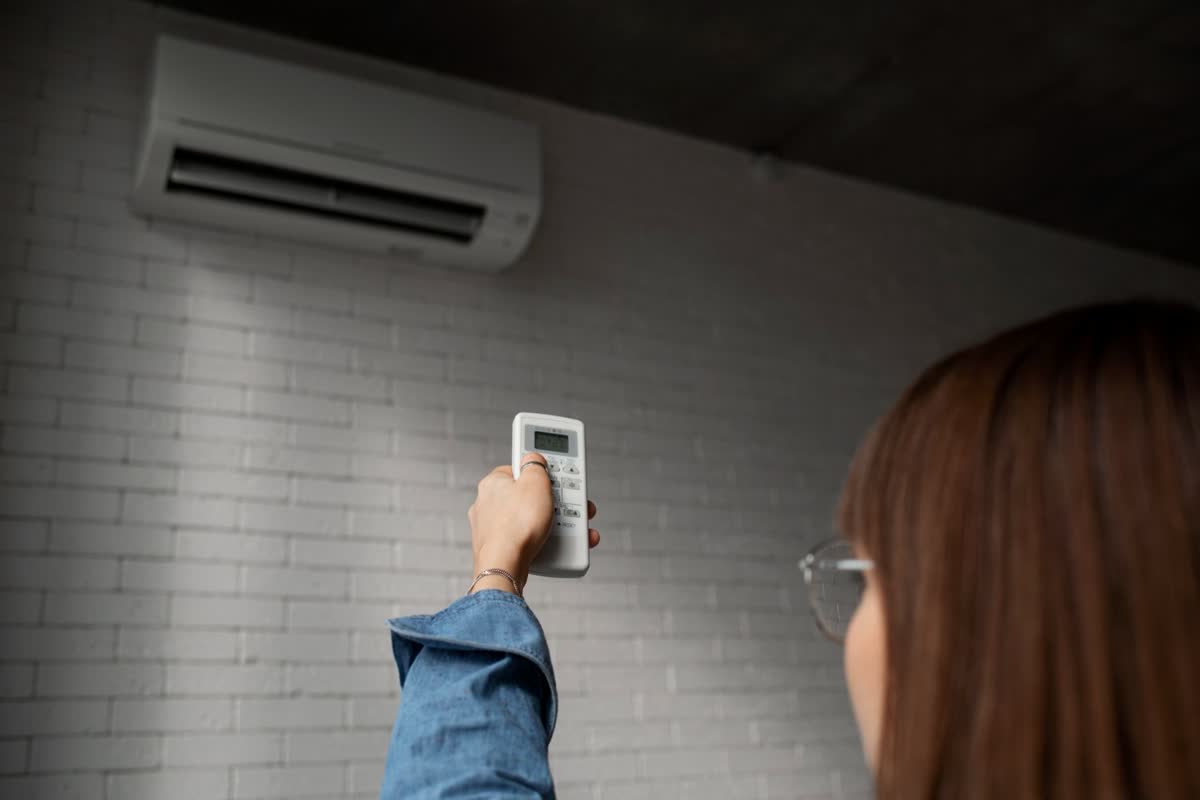
Managing your home’s heating system effectively is key to keeping your space warm and your energy bills low. With a few smart strategies, you can boost your system’s efficiency and enjoy a more comfortable home environment. Regular maintenance plays a vital role. Simple tasks like cleaning or replacing air filters can make a noticeable difference in your heating system’s performance.
Using a programmable thermostat is another easy way to optimize energy use. It helps you manage temperatures based on your schedule, ensuring that energy isn’t wasted when you aren’t home. Additionally, it’s worth considering system upgrades or exploring alternative heating options. These can lead to significant savings and reduced energy consumption.
With thoughtful planning and a few changes, you can significantly improve heating efficiency. Whether sealing air leaks or making small adjustments to your daily habits, these actions not only enhance comfort but also contribute to substantial savings over time.
Heating Bill Reduction Tactics for Comfortable Living
1. Optimising Heating System Efficiency
Taking care of your heating system is essential for keeping your home warm without wasting energy. A few regular maintenance tasks can boost efficiency and help you save on bills. First, make it a habit to replace air filters every month. Clean filters allow air to flow better and prevent the system from working harder than needed. Also, inspect your system periodically for dust build-up and debris that may hinder performance.
Using a programmable thermostat is a game-changer. This handy device lets you set specific temperatures for different times of the day. You can lower the heat while you’re at work or asleep and have it warm again before you return home. This simple step can significantly reduce energy usage and save you money.
Consider system upgrades for further savings. Older systems might benefit from newer, more energy-efficient models. Improvements like zoned heating or high-efficiency furnaces modernize your approach and cut expenses. Investing in quality now can lead to long-term benefits and a more efficient household heating system.
2. Improving Home Insulation
Insulation plays a big role in keeping your home warm efficiently. Start by checking key areas like the attic, walls, and basement. If they aren’t well insulated, these spots can let in cold air. Upgrading insulation in these areas prevents heat loss and makes your home snugger.
Sealing drafts and air leaks is another smart move. Look for cracks around windows and doors where air might escape. Use weatherstripping or caulking to seal these gaps. Doing this helps keep the warm air inside and the cold air out, enhancing comfort and reducing your heating system’s workload.
When considering insulation types, think about energy efficiency. Fiberglass and spray foam are popular choices. Both are effective at trapping heat and conserving energy. Finding the right insulation helps create a barrier that reduces heat loss.
Taking the time to improve your home’s insulation can make a huge difference in how cozy your home feels and how much you spend on heating.
3. Adopting Energy-Saving Habits
Making small changes in your daily routine can lead to big savings in heating costs. Simple practices like wearing warm clothes around the house help reduce reliance on your heating system. Instead of cranking up the heat, put on a sweater or use blankets to stay cozy.
Using natural heat sources effectively is another smart tactic. Open curtains during the day to let sunlight naturally warm your home, especially on south-facing windows. At night, close them to keep the heat inside. This small trick can make your home more comfortable without adding to your energy bill.
Slight adjustments in heating preferences can also impact savings. Lowering your thermostat by just a degree or two can significantly reduce energy usage. These subtle changes, combined with regular habits, create an overall environment that promotes both comfort and cost-efficiency.
4. Exploring Alternative Heating Solutions
Looking into alternative heating solutions offers an exciting path to energy efficiency. Many homeowners are choosing energy-efficient heating options like heat pumps or tankless systems. Heat pumps transfer heat from the air or ground, requiring less energy than conventional systems. They can provide both heating and cooling, making them versatile for year-round use.
Unlike traditional water heaters that maintain a large hot water reservoir, tankless systems heat water only when needed. This on-demand approach uses less energy and provides endless hot water, perfect for energy-conscious homes.
Switching to renewable energy sources presents a considerable opportunity. Options like solar panels or wind turbines can provide sustainable energy, lowering your carbon footprint. Considering these alternatives allows you to harness natural energy, contributing to a greener and more economical home heating strategy.
Conclusion
Navigating the world of home heating solutions can seem overwhelming, but breaking it down into key strategies makes the process manageable and fruitful. Optimizing your current heating system, improving home insulation, adopting energy-saving habits, and exploring alternative solutions are powerful steps toward greater efficiency and comfort.
Embracing these changes means investing in your home’s future. Energy-efficient practices not only cut down on expenses but also offer peace of mind, knowing you’re making environmentally conscious choices. Every small decision has a significant impact on your household budget and the planet.
Ready to enhance your home’s heating efficiency? Rodger That Heating & Cooling is here to help you explore your options. From upgrading your system to installing advanced insulation, our team provides expert guidance and affordable HVAC services tailored to your needs. Contact us today to start the journey towards a more efficient and comfortable home!