
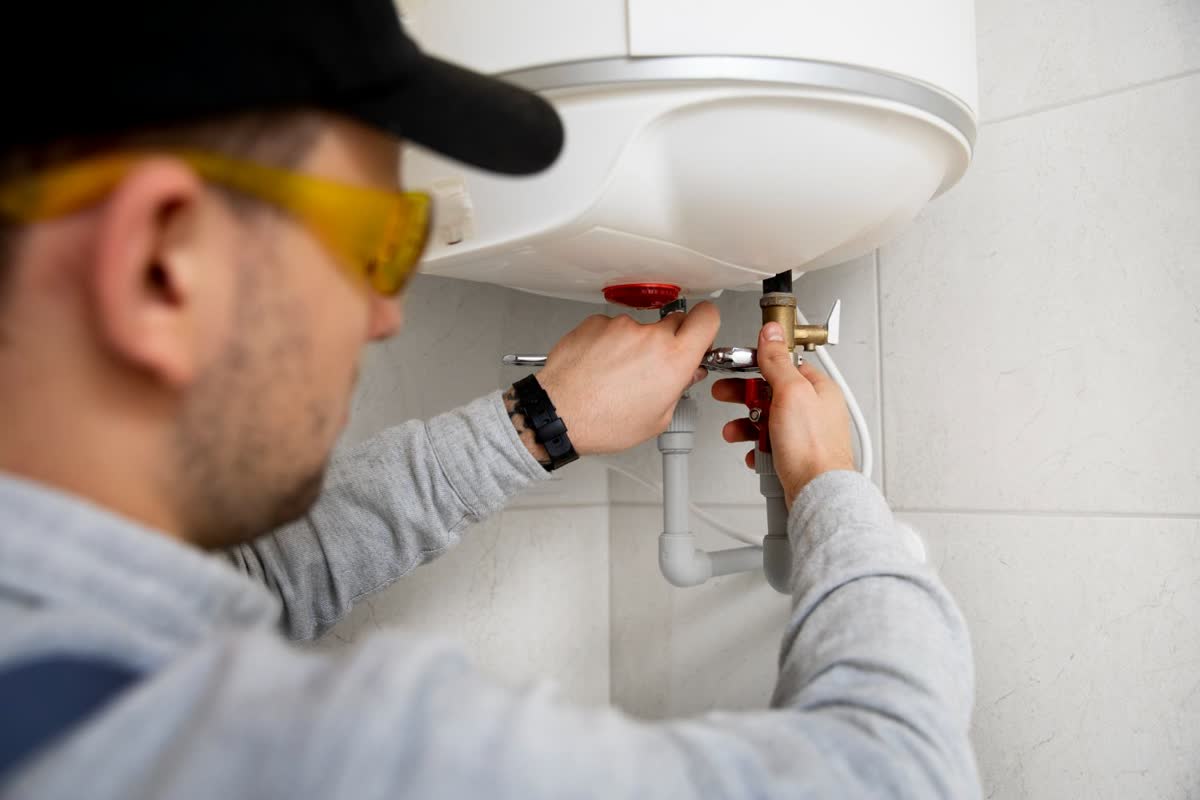
Deciding between a tankless hot water heater and a traditional tank system can be challenging. Each type has its benefits and drawbacks, and the right choice often depends on your household’s specific needs and circumstances.
Tankless hot water heaters, also known as on-demand systems, heat water only when needed. This means you won’t run out of hot water, even during long showers. Tankless systems are compact and can save space, making them ideal for smaller homes or areas with limited installation space.
On the other hand, traditional hot water heaters store a large volume of water in a tank and keep it heated all day long. This can be quite convenient if you use hot water frequently throughout the day. These systems are typically less expensive to purchase and can be easier to install than tankless units.
Choosing the right hot water heater involves considering factors like initial cost, energy efficiency, space requirements, and maintenance needs. Understanding how these systems work and their advantages and disadvantages can help you make an informed decision.
How Tankless and Traditional Hot Water Heaters Work
Understanding how your hot water heater works can help you make an informed decision when it’s time for an upgrade. There are two main types of hot water heaters: tankless and traditional tank systems.
Tankless Systems
A tankless water heater, also known as an on-demand heater, heats water only when you need it. When you turn on a hot water tap, cold water travels through a pipe into the unit. A gas burner or electric element heats the water instantly, supplying a continuous flow of hot water. This means you don’t have to wait for a storage tank to fill up with enough hot water. Tankless systems can provide hot water at a rate of 2-5 gallons per minute, depending on the model.
Traditional Tank Systems
Traditional tank water heaters store a large volume of hot water in a tank, usually ranging from 20 to 80 gallons. The water inside the tank is heated by gas or electricity and kept at a constant temperature. When you use hot water, it is drawn from the top of the tank, and cold water enters from the bottom to be heated and stored for future use. These systems keep water hot 24/7, even when you’re not using it, which can be less efficient overall.
Pros and Cons of Tankless Hot Water Heaters
Before deciding which type of water heater is best for your home, weighing each option’s pros and cons is important.
Advantages:
– Energy Efficiency: Tankless water heaters are more energy-efficient because they heat water only when needed, reducing energy waste.
– Unlimited Hot Water: You get a continuous supply of hot water whenever you need it, as long as the flow rate does not exceed the heater’s capacity.
– Space-Saving: Compact and wall-mounted, they save space and can be installed in smaller areas like closets or under sinks.
– Longer Lifespan: These units generally last longer than traditional heaters, with a lifespan of up to 20 years or more.
Disadvantages:
– Higher Initial Cost: Tankless water heaters can be more expensive to purchase and install compared to traditional tank models.
– Limited Flow Rate: If multiple hot water sources are used at the same time, they may struggle to provide sufficient hot water.
– Complex Installation: Installing a tankless system may require new gas lines or additional electrical work, adding to the overall cost.
By considering these pros and cons, you can determine whether a tankless water heater meets your needs and preferences. This helps ensure you make the right choice for your home and lifestyle.
Pros and Cons of Traditional Hot Water Heaters
Traditional tank water heaters have been a staple in many homes for years. Before making a decision, it’s important to understand both their perks and drawbacks.
Advantages:
– Lower Initial Cost: Traditional water heaters usually cost less to buy and install compared to tankless models.
– Simplicity: The technology behind tank water heaters is straightforward and well-known, making repairs and replacements easier and often cheaper.
– Immediate Hot Water Supply: With a tank full of hot water ready to go, you can get hot water quickly at a moment’s notice.
Disadvantages:
– Energy Inefficiency: These units maintain a constant reserve of hot water, which means they use energy even when no hot water is needed, leading to higher utility bills.
– Limited Hot Water Supply: Once the hot water in the tank is used up, you must wait for the tank to refill and reheat, which can be inconvenient.
– Bulkiness: They take up a lot of space due to their large tanks, which can be problematic in smaller homes or apartments.
Shorter Lifespan: Traditional heaters typically last 10-15 years, which is shorter than the lifespan of tankless systems.
Knowing these pros and cons will help you understand whether a traditional water heater aligns with your needs and lifestyle.
Factors to Consider When Choosing Between Tankless and Traditional
Choosing between a tankless and a traditional water heater involves several key factors. Consider the following to make an informed decision:
Initial Cost and Installation:
– Tankless: Higher initial cost and complex installation may require new gas lines or additional electrical work.
– Traditional: Lower upfront cost with simpler, usually cheaper installation.
Efficiency and Energy Savings:
– Tankless: Highly efficient, heating water only when needed, which can reduce energy bills over time.
– Traditional: Less efficient since they maintain a constant reserve of hot water, leading to energy waste.
Space and Size Requirements:
– Tankless: Compact and wall-mounted, saving space and offering flexible installation options.
– Traditional: Large and bulky, needing ample space for installation.
Maintenance and Lifespan:
– Tankless: Low maintenance with a lifespan of up to 20 years or more; regular descaling may be needed in areas with hard water.
– Traditional: Higher maintenance with a lifespan of around 10-15 years; regular tank flushing is required to avoid sediment buildup.
By examining these factors, you can decide which water heater best fits your home and lifestyle needs, balancing cost, efficiency, space, and maintenance.
Conclusion
Choosing between a tankless and a traditional hot water heater depends on your specific needs and circumstances. Tankless systems offer energy efficiency, unlimited hot water, and a compact design but have a higher initial cost and complex installation. Traditional water heaters are less expensive upfront and simpler to install but are bulkier and less efficient.
We’ve discussed the pros and cons, efficiency, cost, space requirements, and maintenance needs of both types. Each has its benefits and challenges, and understanding these will help you make an informed choice that suits your home and family best.
If you’re considering an upgrade or need advice on which system is right for you, Rodger That Heating & Cooling is here to help. Our experts can guide you through the selection process and ensure you get a system that meets your needs. Contact us today to find the perfect HVAC residential service for your home.