
Saving energy is more important than ever, and one way to do it effectively is by improving your home’s insulation. Insulation acts like a barrier, keeping the warm air in during winter and the cool air in during summer. This reduces the workload on your heating and cooling systems and helps cut down your energy bills.
The right insulation materials in the right places make your home more comfortable all year round. Many homeowners overlook the importance of proper insulation, but understanding where and how to insulate can lead to long-term savings. Proper insulation is not just about keeping your home warm or cool; it’s about creating a more sustainable and cost-effective living environment. It can be your first step towards a more energy-efficient, environmentally friendly home.
How Insulation Affects Energy Efficiency
Insulation plays a critical role in reducing energy consumption in your home. It acts as a barrier, preventing the transfer of heat. During the winter, insulation keeps the warm air inside, reducing the need for constant heating. It helps maintain cooler indoor temperatures in the summer by keeping hot air out. This reduces the workload on your heating and cooling systems, leading to lower energy bills.
Heating and cooling systems perform better when the home is well-insulated. Without proper insulation, systems have to work harder to maintain comfortable temperatures. This increased workload can lead to higher energy use and even reduce the lifespan of your systems. Insulation ensures these systems operate efficiently, saving you money and increasing longevity.
Proper insulation stands between you and fluctuating outdoor temperatures. It reduces drafts, limits noise, and maintains consistent indoor climates. By investing in good insulation, you help your heating and cooling systems run more effectively and create a more sustainable and cost-effective home environment.
Common Areas Needing Insulation
To maximize energy efficiency, insulating key areas of your home is important. Attics, walls, and floors are the primary areas where insulation can make a big difference. Each of these spaces has unique needs; proper insulation helps control temperature and protect against energy loss.
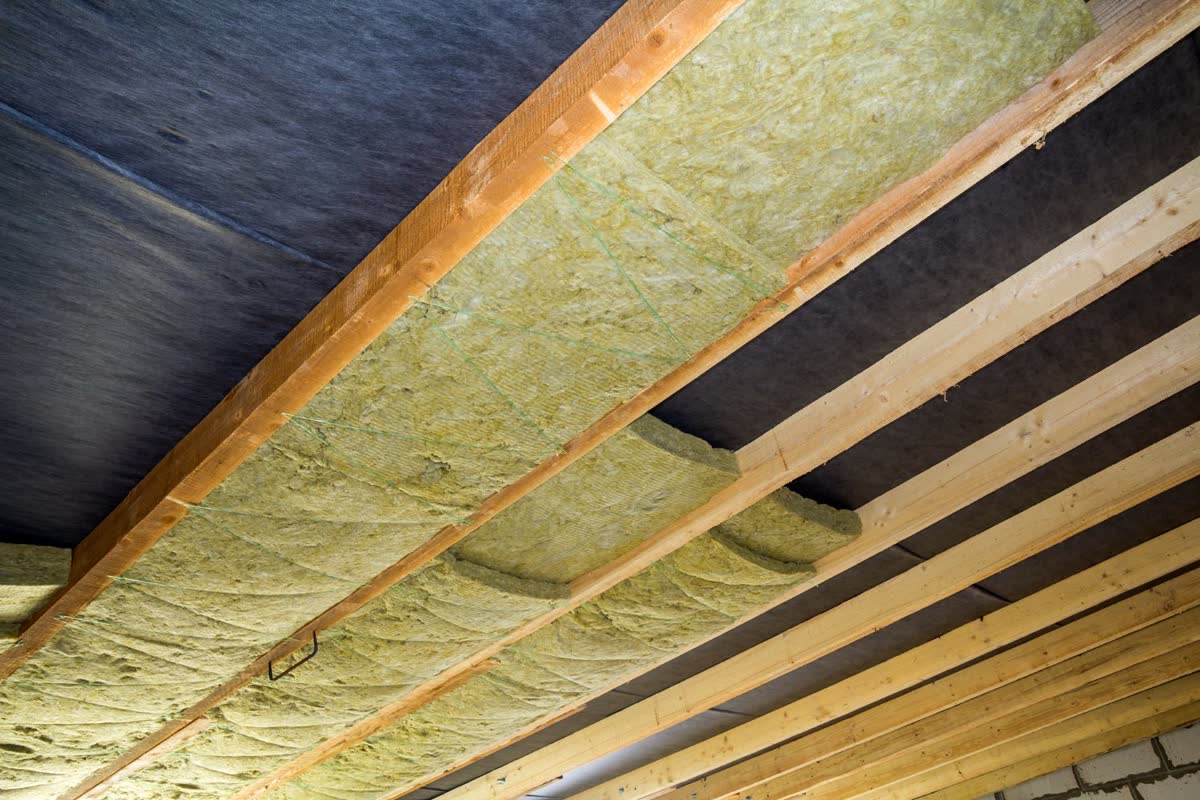
1. Attic: The attic is one of the largest sources of heat loss. Adding insulation here can prevent hot air from escaping during winter and keep the cool air in during summer. Ensure the attic is well-sealed to prevent air leaks.
2. Walls: Insulating walls is crucial for maintaining a stable indoor environment. Additional insulation benefits both exterior and interior walls, reducing noise transmission and improving temperature control.
3. Floors: Floor insulation is especially important in unheated spaces like garages or basements. It prevents drafts and maintains heat, and it adds extra comfort, especially during the colder months.
Proper sealing and insulation in these areas prevent air leaks, creating a cozy and consistent home environment. This ensures that your heating and cooling systems work efficiently without wasting energy. Addressing these key areas of insulation contributes significantly to overall home comfort and energy savings.
Choosing the Right Insulation Material
Selecting the right insulation material is crucial for effective energy savings in your home. The most common types of insulation materials include fiberglass, foam, and cellulose. Each has its benefits and unique characteristics that make it suitable for different areas or needs in your house.
Fibreglass is popular due to its affordability and resistance to moisture damage. It comes in batts or rolls, which makes it easy to install between studs, joists, and beams. Foam insulation, such as spray foam, offers excellent thermal resistance and is ideal for sealing leaks and gaps. It expands to fill spaces fully, providing a strong air barrier. However, it is typically more expensive than fiberglass.
Cellulose insulation is made from recycled paper treated with fire retardants. It’s effective at reducing noise and is environmentally friendly. Like fiberglass, cellulose is affordable but must be kept dry to maintain its insulative properties.
When choosing insulation, consider the climate in your area, the structure of your house, and potential installation costs. Each material has an R-value, which indicates its thermal resistance. Ensure that the R-value of your chosen material matches the recommended levels for your region.
Long-Term Benefits of Proper Insulation
Investing in proper insulation brings long-term benefits that extend beyond immediate comfort. One major advantage is the cost-saving on energy bills. Insulating your home reduces the need for constant heating and cooling, resulting in lower utility costs. With better insulation, your HVAC system doesn’t have to work as hard, which can increase its lifespan and reduce maintenance costs.
Another important benefit is the environmental impact. By using less energy, you contribute to lowering greenhouse gas emissions. A well-insulated home requires less fuel for heating and cooling, which is a substantial positive step toward sustainability.
Moreover, proper insulation enhances overall comfort within your home. It maintains a consistent temperature throughout, eliminating cold drafts and overheating, making your living space more enjoyable year-round. Noise reduction is an additional bonus, making your home quieter and more serene.
Ensuring your home is properly insulated can result in a significant return on investment over time, with improved efficiency, comfort, and reduced environmental footprint.
Conclusion
Proper insulation is a simple yet powerful way to boost energy efficiency and comfort in your home. Choosing the right insulation materials and applying them in the correct areas can significantly reduce energy costs, reduce environmental impact, and create a more comfortable living environment. Insulation plays a key role in sustaining a convenient, energy-efficient home that meets the challenges of local weather conditions.
Exploring insulation options is worthwhile, with the potential for significant savings and increased comfort. Whether upgrading your current insulation or building from the ground up, considering expert advice can make a significant difference in achieving optimal results.
For professional guidance and insulation solutions, Rodger That Heating & Cooling is here to assist. Our team is ready to help you create an energy-efficient and comfortable living space. Contact us today for expert advice tailored to your home’s needs.