
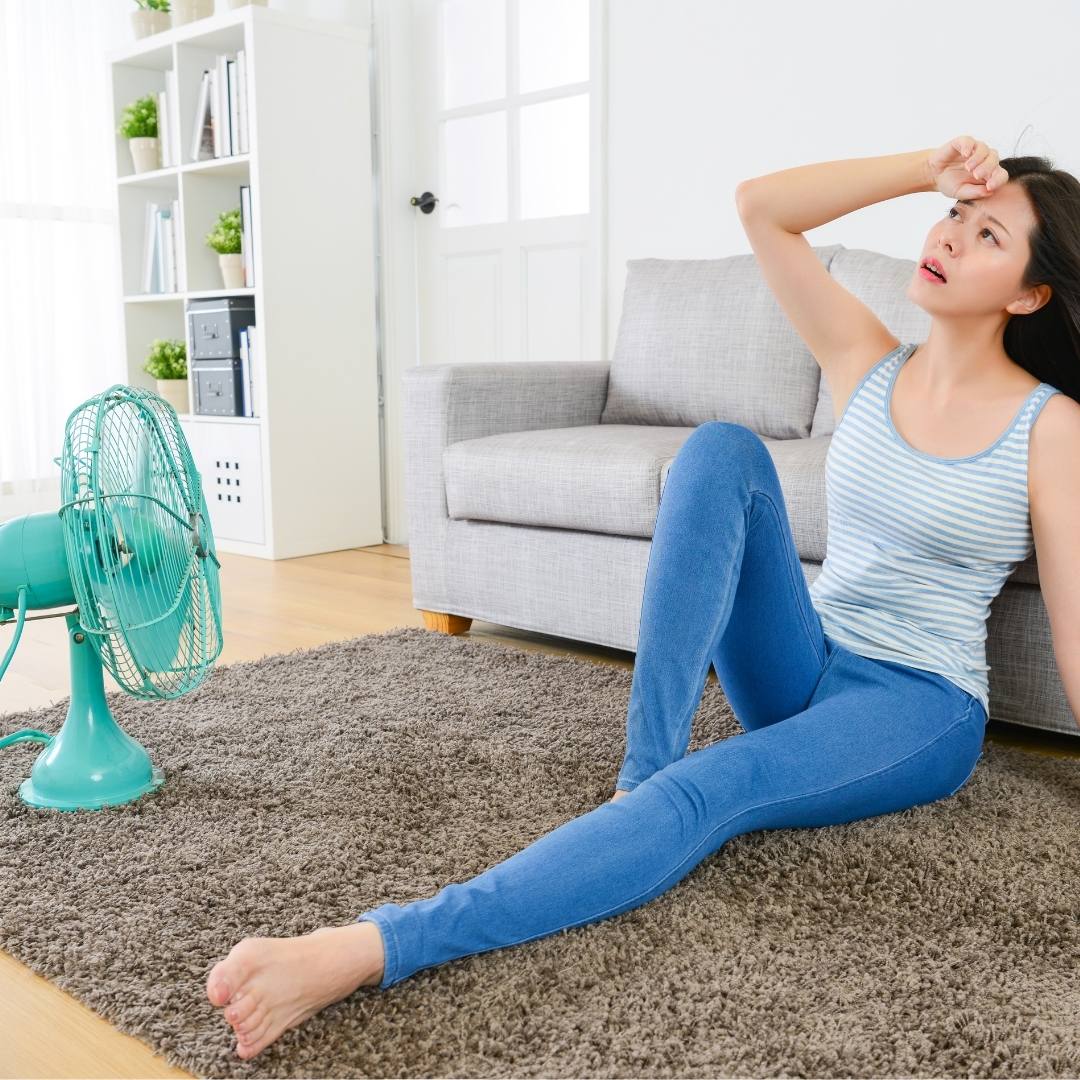
When your air conditioner stops cooling, it can quickly turn your home from a comfortable haven into a stifling sauna. It’s not just about being uncomfortable; it’s also about ensuring your AC unit doesn’t suffer more damage. Knowing what to do immediately can save both time and money.
Firstly, it’s vital to turn off your AC to prevent any potential damage as you figure out what’s wrong. You wouldn’t want to risk further issues due to overheating or stressed components. Once done, take a moment to check simple things like the thermostat settings and air filters. Sometimes, things like accidentally setting the thermostat incorrectly or having a dirty filter can cause the unit to work inefficiently.
By following a few straightforward steps, you can often pinpoint the problem yourself. However, it’s also important to know when it’s time to call a professional. This guide will help you understand what to look for and what actions to take to get your cooling system back in action swiftly.
Immediate Steps to Take When Your AC Stops Cooling
When your AC stops blowing cool air, it’s crucial to take immediate action to prevent further damage. First, turn off the AC to stop it from working harder and potentially causing more problems. Running the unit when it’s not cooling puts unnecessary strain on the system, which can lead to bigger issues.
Next, check the thermostat settings. Ensure it is set to “cool” and the temperature is set to lower than the current room temperature. It’s also worth checking that the fan is set to “auto” or “on” based on your preference. Sometimes, an accidental change in settings can be the simple culprit behind the malfunction.
Another important step is to inspect the air filters. Dirty or clogged filters restrict airflow, causing the system to struggle. If filters are dirty, replace or clean them according to the manufacturer’s instructions. Doing this can improve airflow swiftly and help restore cooling.
Acting quickly with these steps can save you time and discomfort. Properly managing these initial checks yourself ensures that professional assistance, if needed, might involve simpler repairs rather than extensive solutions.
Identifying Common AC Issues
Identifying why your AC isn’t cooling involves understanding some common issues that can affect the system. A frequent problem is refrigerant leaks. The refrigerant plays a key role in cooling the air. If the refrigerant level is low due to a leak, your AC cannot properly cool the air. Signs of a refrigerant leak include ice buildup on the refrigerant line or evaporator coil and a noticeable hissing sound.
Checking the circuit breaker is equally important. Sometimes, the breaker may trip due to a power surge or electrical issue, cutting off power to the AC unit. A quick inspection can determine if a simple reset is needed. Be sure to check both the main service panel and any sub-panels to which your AC might be connected.
Recognizing problems with the condenser unit is another vital step. The condenser, located outside, is crucial to the cooling process. If it’s covered in debris or dirt, it can’t release heat efficiently. Ensure the area around the condenser is clear of any debris, leaves, or overgrown plants that might be obstructing airflow.
Understanding these common issues helps you assess the situation more accurately. Knowing what to look for allows you to communicate more effectively with an HVAC professional, should you need one, and keep your home comfortable when temperatures climb.
Troubleshooting Techniques You Can Try
Once you’ve checked basic issues, it’s time to dive into some easy troubleshooting steps. These can often solve the problem of your AC not cooling properly.
First, clean and unclog the AC drain line. Over time, this line can get blocked with dirt, algae, and other debris. To clean it, locate the drain line and pour a mixture of vinegar and warm water into it. This helps clear blockages and ensures proper drainage, preventing overflow issues that could affect cooling.
Next, examine and replace air filters. Dirty filters can reduce airflow and strain the AC. Remove the filter and inspect it for dust and debris. If it looks clogged, replace it with a new one. Do this at least every three months or more often if you have pets or allergies.
Finally, try resetting the system. Turn off the power to your AC unit at the breaker box, wait a few minutes, and then turn it back on. This simple reset can clear minor system glitches and get your unit running smoothly again.
These steps are straightforward and can often resolve cooling issues without the need for professional help, keeping your home comfortable and cool.
When to Call a Professional
While some issues can be fixed with simple steps, there are times when you need expert help. Knowing the signs of a serious problem can prevent further damage to your AC system.
If you’ve tried the basic troubleshooting techniques and your AC still isn’t cooling well, it’s time to call a professional. Constant cycling, unusual noises, or strange odors coming from the unit can be signs of deeper problems like electrical issues or failing components. Continuing to run the system under these conditions can cause more harm than good.
Routine maintenance is also key to preventing future issues. Regularly scheduled inspections by a professional can catch minor problems before they become major headaches. They can check refrigerant levels, inspect electrical connections, and clean essential parts of the system that you can’t easily reach.
Professional inspection and maintenance improve the efficiency and lifespan of your AC. They ensure that your system runs effectively, reducing the risk of breakdowns and helping to keep your utility bills in check.
Conclusion
Keeping your AC in top shape requires simple DIY techniques and professional attention. You can maintain a comfortable home environment through the hottest months by understanding common issues and addressing them early. Routine maintenance and timely interventions prevent minor problems from escalating, ensuring your AC works efficiently and lasts longer.
When your AC stops cooling, don’t sweat it. Get the expertise you need with Rodger That Heating & Cooling. Our skilled team can diagnose and quickly fix the problem, restoring comfort to your home. It’s time to enjoy a cool and worry-free summer. Contact us today to schedule an appointment or learn more about our HVAC repair services.